
Wallpaper
Wallpaper
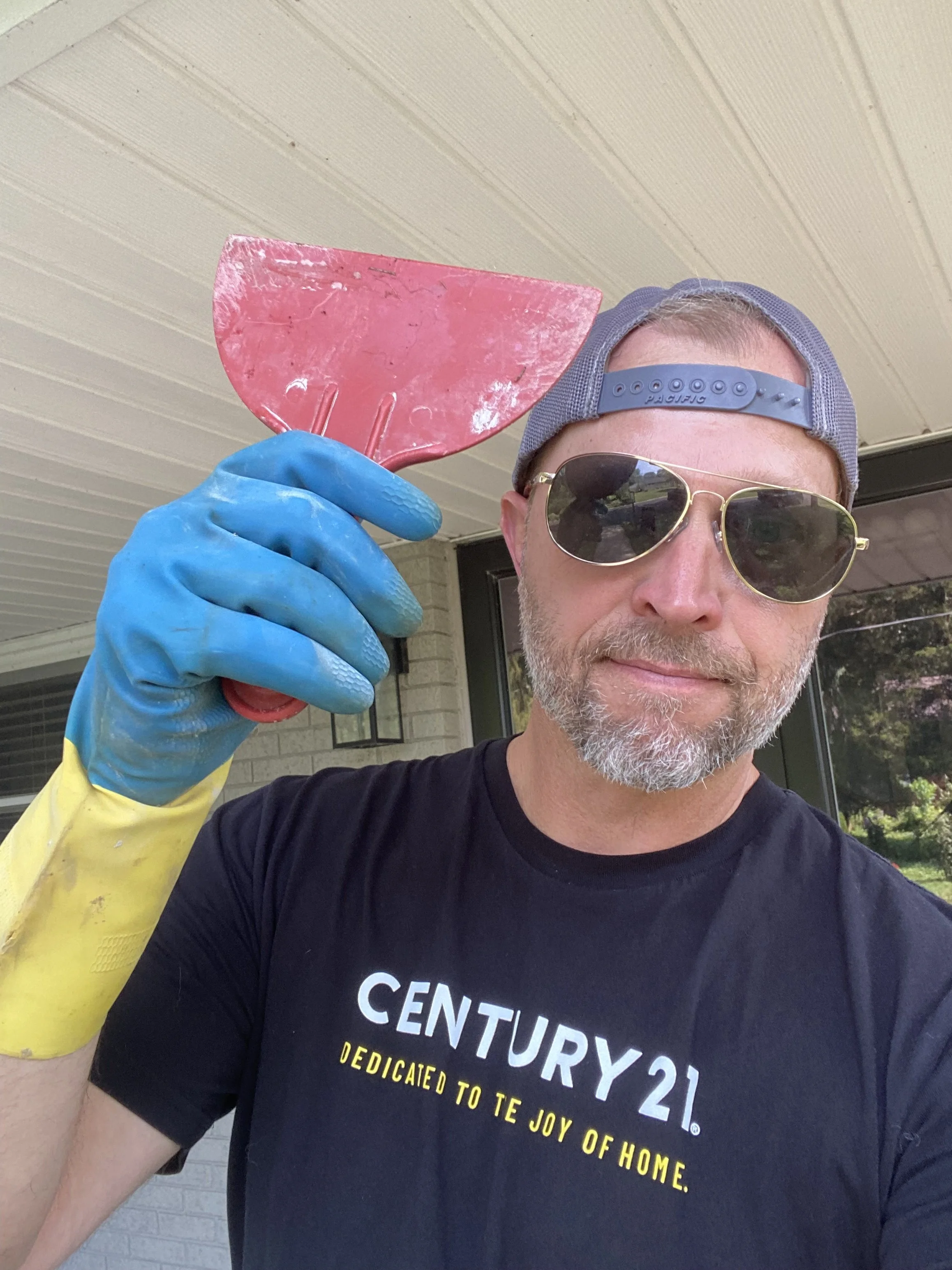
Clearly a before pic, not an after pic.
If you need proof that design trends are cyclical, look no further than wallpaper. While it was once a foregone conclusion that wallpaper needed to be removed if found in a house that one may want to buy, now it’s a more nuanced decision. Wallpaper is very much back in chic but with some caveats: big color accent walls more than wall-to-wall, big floral designs more than the 80’s ivy print we all grew up with, and no more wide, bold stripes.
For my part, though, my wallpaper stories are all around removal. It can really be a miserable job. Or, not so bad. It all depends. There are no guarantees that it’s going to cooperate when coming off; it all depends on the adhesion to the wall, which is dependent on its age and quality, and whether or not we’re talking about a single layer. It’s a slippery slope, wallpaper is, and I’m not talking about the consistency that decades- old glue takes on when steamed. It’s not always clear what you’re getting into. It would sure be nice to know what to expect in terms of cooperation that wallpaper will offer before you start peeling it off, but it’s often not possible. Maybe there could be a small wall where you could try it out and if it was really stubborn, you could limit your misery to just the one small wall. More often, you’re going to commit.
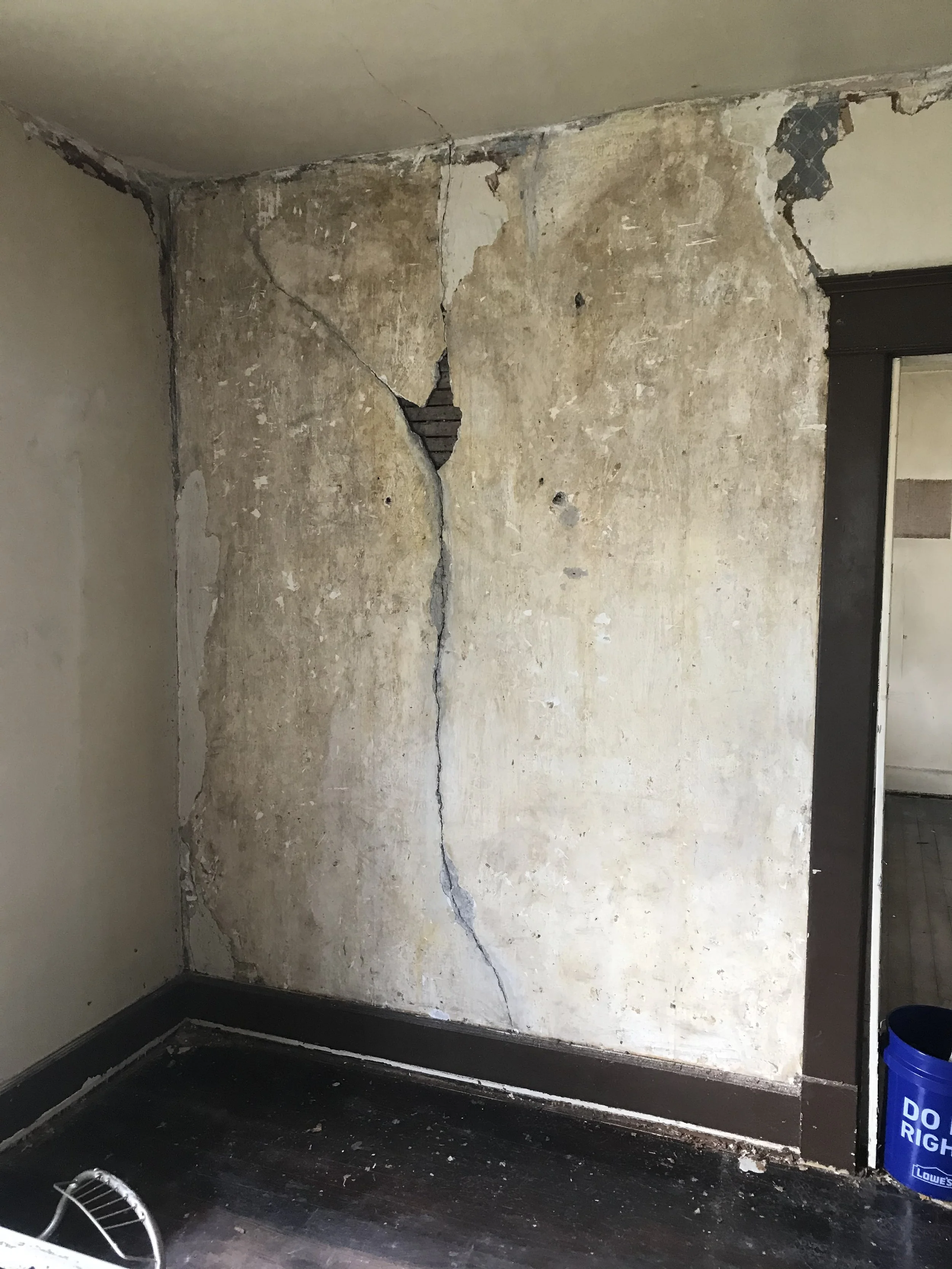
What lies beneath the wallpaper might not incite joyfulness.
My biggest wallpaper removal job was in a flip, an old house with plaster walls. There was no question that the wallpaper had to go; what I didn’t know was that there were actually 5 or so layers of wallpaper and paint and that the wallpaper was quite literally preventing large sections of plaster from crumbling to the ground. To make matters even more comically miserable I started without a steamer AND without hot water in the house. I was literally borrowing buckets of hot water from my new friend Barbara next door.
It was true misery. I spent weeks removing wallpaper from three rooms. A more experienced contractor would have immediately decided to gut the rooms down to the studs and drywall it. I was not that experienced contractor. After a week of folly I did the obvious correct thing to do and ordered a wallpaper steamer. This greatly increased my pace. Still, there are no shortcuts in wallpaper removal other than removing the whole wall.
Another flip was a different story altogether. Just a single layer of wallpaper, and very nice paper it was, indeed. It was vintage, textured 70’s and was quite pretty and I am sure very expensive when installed. But it had to go. That job went substantially faster, but the part about wallpaper removal that they don’t tell you about is all of the gouges you’ll create in the wall with your scraper (especially if you’re a rookie.) Those will all have to be filled in once you’ve got a naked wall. And the glue residue that remains also needs to be sponged off thoroughly. And just what a mess it actually is. You’ll have small bits of paper all over the floors that will dry and stick in globs.
One last thing, and it’s important: remember the rule about water and electricity. Steamers result in a lot of water running down the wall. You’ll be working around outlets, most likely. Best case would just be to shut power off, but that’s not always tenable. You’ve gotta be able to see. A couple of easy ways to make it less dangerous are to use a wide (6”) scraper that is plastic instead of metal, just so you’re not a good conductor of electricity. When steaming above an outlet I place the scraper almost horizontally and tight on the wall so it makes a little roof over the outlet and water doesn’t have as much of a chance of touching a circuit.
If you’re out there stripping wallpaper today, I’m sorry. I wish you weren’t. But if you are, make sure you’ve got a steamer, crank some tunes, use a gentle hand with that scraper, mind the electricity, and clean up as you go. And if you end up re- wallpapering back over what you just removed ... choose well! You don’t want to be doing this again any time soon, now do you?